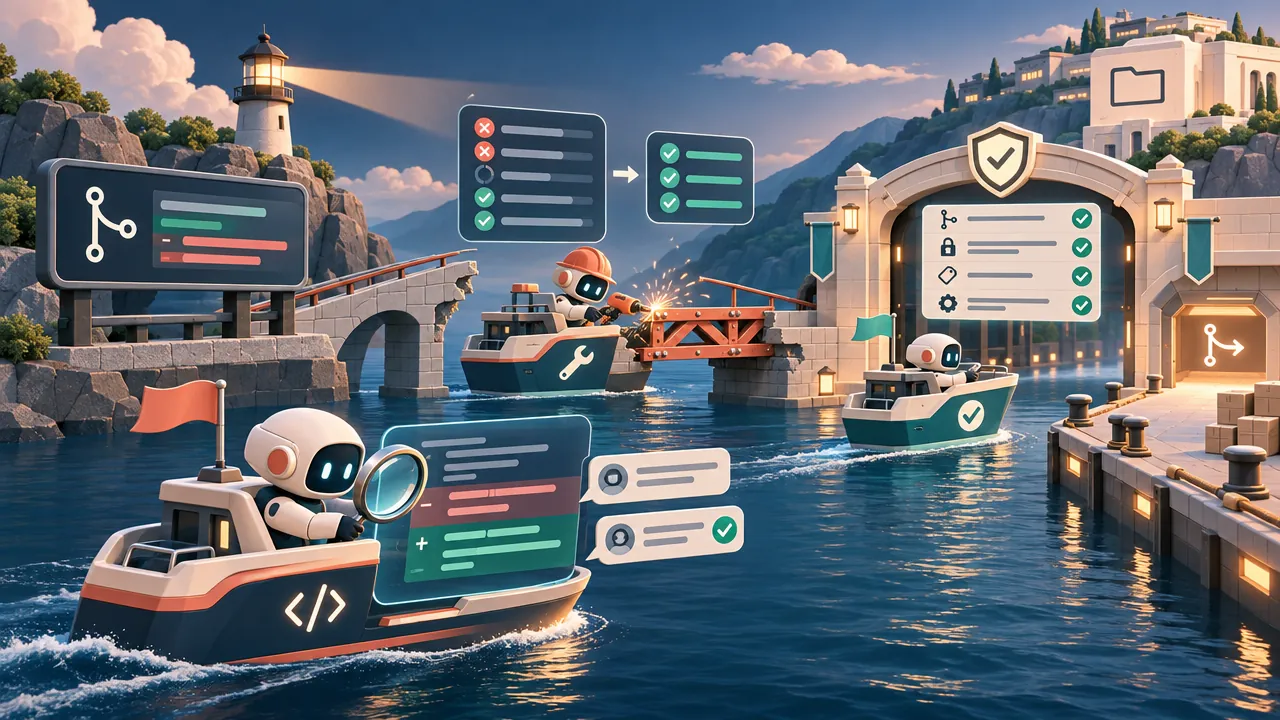

NTT is using multiple AI models to help identify and prioritize vulnerabilities through white-box security testing, while its zero-trust practices and on-premises AI work address access and data-handling risks. The effort comes as NTT reports a sevenfold rise in AI-driven cyberattacks.
Key takeaways
- NTT says AI-driven cyberattacks have increased sevenfold, increasing pressure on defenders to find and address weaknesses quickly.
- NTT applies multiple frontier AI models to white-box testing of source code and system configurations.
- AI can help identify and rank potential vulnerabilities, but security specialists still need to assess findings and guide remediation.
- NTT is developing on-premises AI methods to help keep sensitive code and configuration data within an organization's environment.
- Zero trust complements AI-assisted testing by requiring verification of users and systems rather than relying on network boundaries.
NTT is using artificial intelligence to help find and rank security weaknesses before attackers can exploit them, as the company reports a sevenfold rise in AI-driven cyberattacks. Its approach combines AI-assisted vulnerability analysis with zero-trust security practices, while work on on-premises AI aims to limit exposure of sensitive system data.
The shift reflects a growing challenge for defenders: AI can help security teams examine systems faster, but it can also help attackers search for weaknesses and develop attacks. NTT’s work is an effort to use the technology’s speed for defensive testing without losing sight of the risks.
Why the reported rise in AI-driven attacks is raising the stakes
A sevenfold increase in AI-driven attacks puts added pressure on organizations to identify vulnerabilities and respond quickly. AI can accelerate tasks such as analyzing code and finding potential flaws, allowing attackers to work at greater speed and scale. Security teams, meanwhile, must assess findings, decide which weaknesses matter most, and coordinate fixes across complex environments.
NTT’s response is not limited to adding AI tools. The company is moving away from relying primarily on perimeter-focused security, where defenses concentrate on keeping threats outside a network. It is also emphasizing zero trust, an approach that does not automatically trust users or systems because they are inside the network. Access and activity must be continually assessed.
How NTT uses AI models to find and prioritize vulnerabilities
NTT is applying multiple frontier AI models to white-box security testing. In this form of testing, analysts can examine details such as source code and system configurations rather than testing only what is visible from outside. AI can help identify potential vulnerabilities, sort findings by priority, and support the work of resolving them.
Prioritization matters because a list of possible flaws is not the same as a practical security plan. Teams need to understand which findings pose the greatest risk and where remediation should begin. AI-assisted vulnerability analysis can help narrow that gap, while security specialists assess the results and guide fixes.
NTT’s experience operating more than 10,000 systems informs this work. Its cybersecurity teams also conduct vulnerability assessments for customers, applying their expertise to review systems and help organizations understand where they may be exposed. The aim is to find and address weaknesses before they become an entry point for an attack.
Why zero trust and on-premises AI matter to NTT’s approach
White-box testing can involve highly sensitive information. Source code and system settings may reveal how an organization’s technology is built and protected. Sending that material to external AI services can raise data-handling and confidentiality concerns.
NTT is developing on-premises AI methods to help keep sensitive information within the organization’s own environment during analysis. This approach could make AI-assisted security more practical for customers that cannot readily share code or configuration data with outside services. It does not remove the need for access controls and careful governance, but it addresses one important barrier to adoption.
Zero trust adds another layer to the strategy by focusing on verification and access control across the environment, rather than assuming that a secure perimeter is enough. Together, these measures pair faster vulnerability analysis with attention to how sensitive data is handled and who can access systems.
The dual-use risk: AI can help attackers find flaws, too
The same capabilities that help defenders inspect code can be used by attackers. The PHP2Shell vulnerability has illustrated how AI-assisted analysis can help uncover and examine a weakness. That makes speed a double-edged advantage: organizations need to apply AI to security review while ensuring that findings lead to timely fixes.
NTT’s approach highlights the need to combine AI with experienced security teams, clear remediation priorities, and safeguards for source code and system settings. Organizations reviewing their own defenses should assess where AI-assisted security could help, and whether their data-handling practices protect sensitive information during that work.
By the numbers
NTT reports a sevenfold rise in AI-driven cyberattacks.
This increase is reported by NTT in the article and is presented as the backdrop for its AI-assisted vulnerability analysis; no measurement period or underlying dataset is specified.
NTT says its experience includes operating more than 10,000 systems.
The article attributes this figure to NTT and says that operating experience informs its vulnerability analysis and cybersecurity work.
Step by step
- 01
Define the testing scope
Identify the systems, source code, and configurations to review, and confirm that the assessment is authorized.
- 02
Protect sensitive assessment data
Decide whether analysis can use an external AI service or should run on premises, then apply appropriate access controls and governance.
- 03
Run white-box vulnerability analysis
Use AI models to examine relevant code and configurations for potential weaknesses, with security specialists overseeing the assessment.
- 04
Validate and prioritize findings
Review AI-identified issues, assess their risk and relevance to the environment, and rank them to guide remediation.
- 05
Remediate and verify
Assign fixes to responsible teams, address the highest-priority weaknesses, and retest to confirm that the issues have been resolved.
- 06
Apply zero-trust controls
Verify users and systems as they access resources, and review access and activity instead of relying only on perimeter defenses.
Frequently asked questions
How is NTT using AI for cyber defense?
NTT is using multiple AI models to help identify and prioritize vulnerabilities through white-box security testing. The testing can examine source code and system configurations, while security specialists review results and guide remediation. NTT is also developing on-premises AI methods for sensitive analysis.
Why is NTT turning to AI for cybersecurity?
NTT is turning to AI to help security teams analyze potential weaknesses as AI-driven attacks increase. The company reports a sevenfold rise in such attacks. AI can speed up defensive analysis, but teams still need to validate findings and fix important vulnerabilities.
What is white-box security testing?
White-box security testing examines internal details such as source code and system configurations to look for vulnerabilities. This differs from testing only what an outside observer can see. NTT uses AI to assist with identifying and prioritizing potential findings.
Why is NTT developing on-premises AI for security analysis?
On-premises AI can help keep sensitive source code and system configuration data within an organization's environment during analysis. This may address confidentiality concerns that arise when information is sent to external AI services. Organizations still need access controls and clear data governance.
How does zero trust support AI cyber defense?
Zero trust supports cyber defense by requiring users and systems to be verified rather than automatically trusted because they are inside a network. It complements vulnerability testing by focusing on access and activity across the environment. It does not replace the need to remediate identified weaknesses.